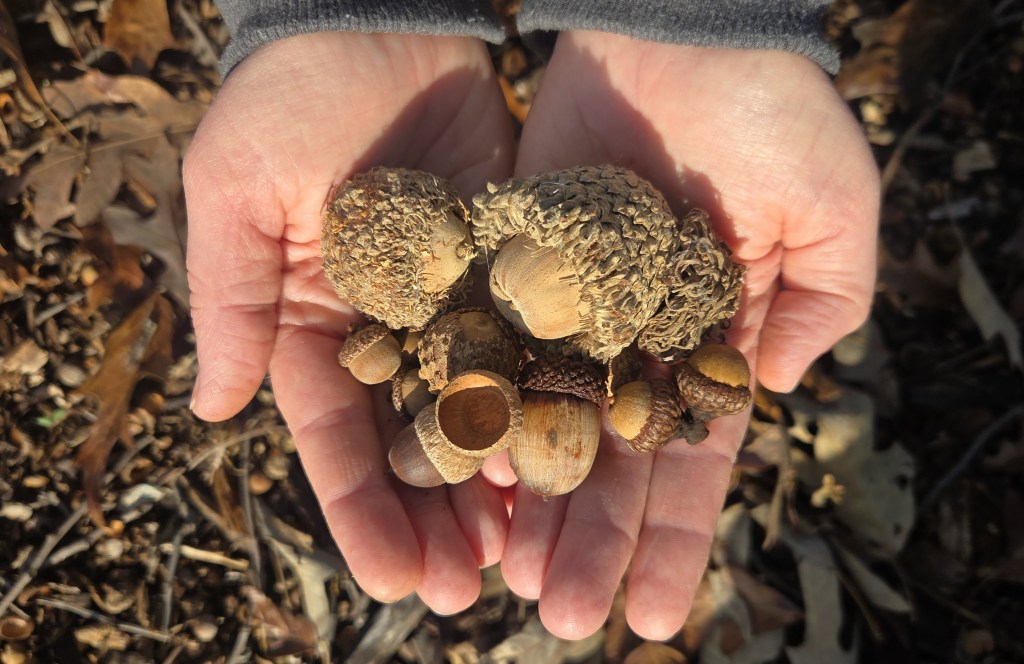
Thanksgiving is right around the corner, and with it comes turkey, your grandma’s sweet potatoes, and the mandatory dessert: pumpkin pie. But did you know that acorns may have made an appearance at the first Thanksgiving? While we can’t say for sure- we aren’t historians, and even they aren’t sure- we can talk about oak trees and acorns and how they have helped not only wildlife, but also humans survive throughout history.
A Tasty Treat
Most people don’t know this, but you can eat acorns. Along with many other tree nuts, acorns were a common food source and remain culturally significant among Indigenous communities across the United States. Many Indigenous peoples taught early settlers how to harvest and prepare acorns for consumption.
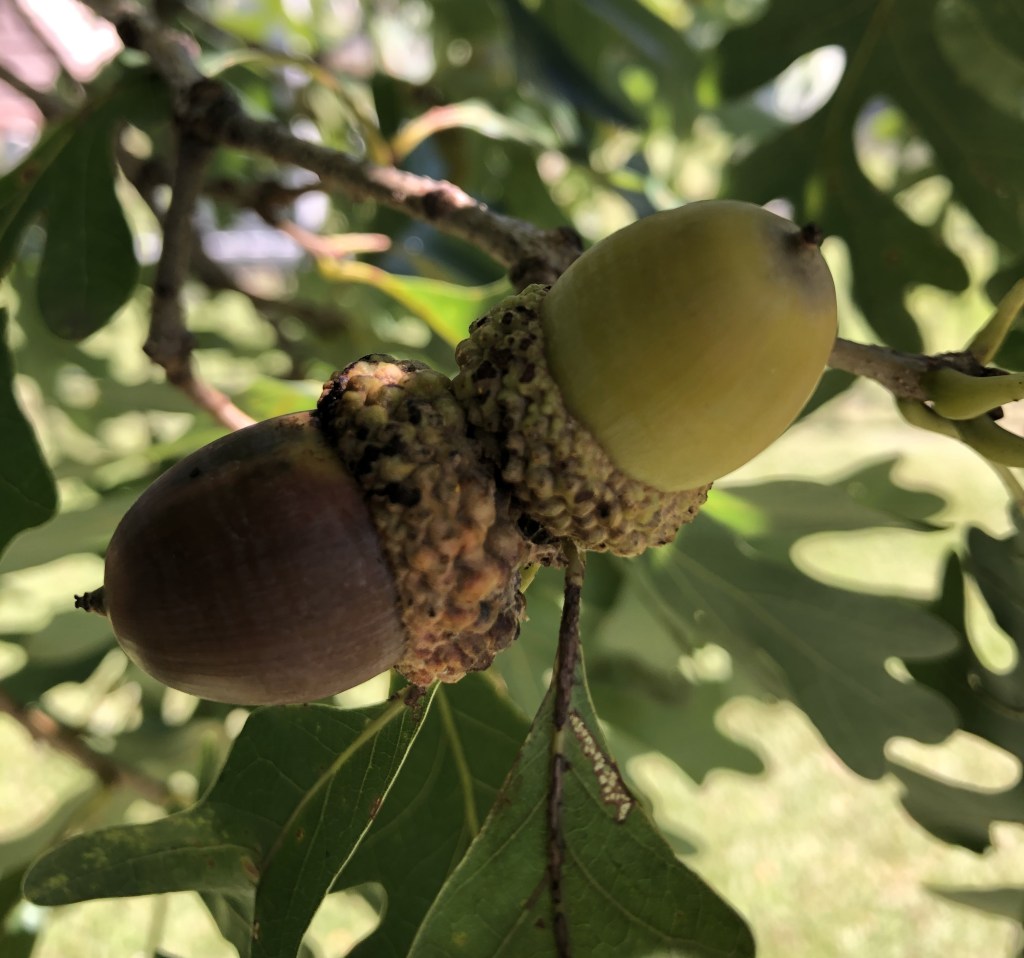
However, acorns never became a common food source among European settlers and were more often used as animal feed. Speaking of animals, much of the wildlife in Charlotte and across North America relies on acorns to prepare for and survive the winter months. From squirrels and birds to deer and even bears, acorns serve as an important food source for many species.
The Mighty Oak Connection
With all this acorn talk, we should discuss where they come from. If you didn’t know, acorns come from oak trees, and oak trees play a vital role in forest ecosystems. Scientists consider oak trees a keystone species. A keystone species is an organism that plays a critical role in maintaining the health and stability of an ecosystem. Without it, the ecosystem can change dramatically or even collapse.
Oak trees belong to the genus Quercus (pronounced “KWER-kus”), and native oak species support more wildlife than any other tree genus in North America! Oaks serve as host plants for hundreds of caterpillar species, provide a primary food source for a wide variety of wildlife, create nesting habitat, and contribute to healthier soils. It’s even been found that years with large acorn crops, known as masting, are often linked to increases in certain wildlife populations.
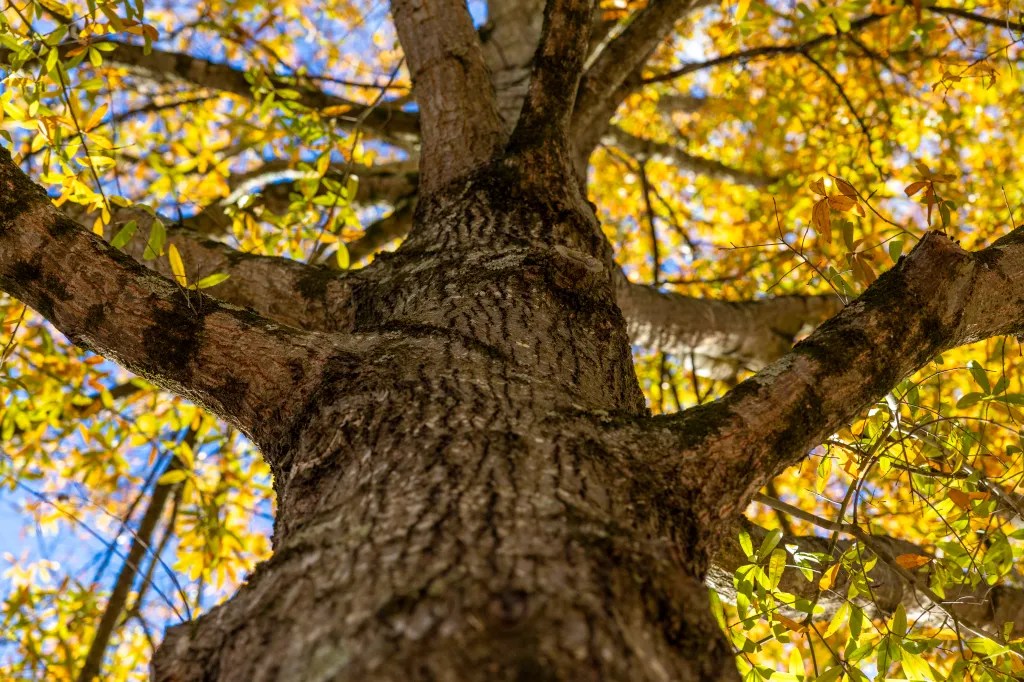
The benefits of oak trees extend to humans as well. They help clean our air and water, cool our neighborhoods, store carbon dioxide and release oxygen, and yes, even provide food!
A Nut Worth Appreciating
The next time you’re outside and spot an acorn, remember that it came from an amazing tree that supports countless species and ecosystems. While acorns can be an edible snack, be sure to research how to properly prepare them before trying one. Don’t just pick one up off the ground and take a bite!
Happy Fall from the Landscape Management Team🍂!


Leave a Reply