As August rolls on, the heavy summer heat slowly begins to lift, and signs of fall will soon begin to pop up all across the Queen City. The transition between summer and fall is a critical point for our urban forest.
From the large oaks in Myers Park to our street trees in growing neighborhoods, these trees have been keeping us cool all summer. With summer winding down, here are three tips to prepare you and your trees for fall.
Give Your Young Trees A Deep Drink
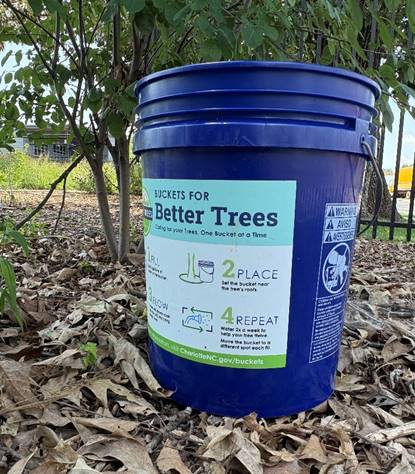
Mature trees have established deep root systems, allowing them to access more water and mineral resources from the soil that a young tree may not. A young, newly planted tree needs to establish itself and may need some extra assistance as it prepares for fall and winter. With below-average rainfall, the best thing you can do for your tree is give it a slow, deep drink below the drip line around twice a week. This encourages roots to grow deeper before winter dormancy. If you had a tree planted on public right-of-way this past year, be on the lookout for more information on Landscape Management’s Buckets for Better Tree Program. This program is designed to provide residents with resources to properly water their trees in the spring and summer, ensuring a healthy canopy for years to come.
Prepare Trees with Mulch
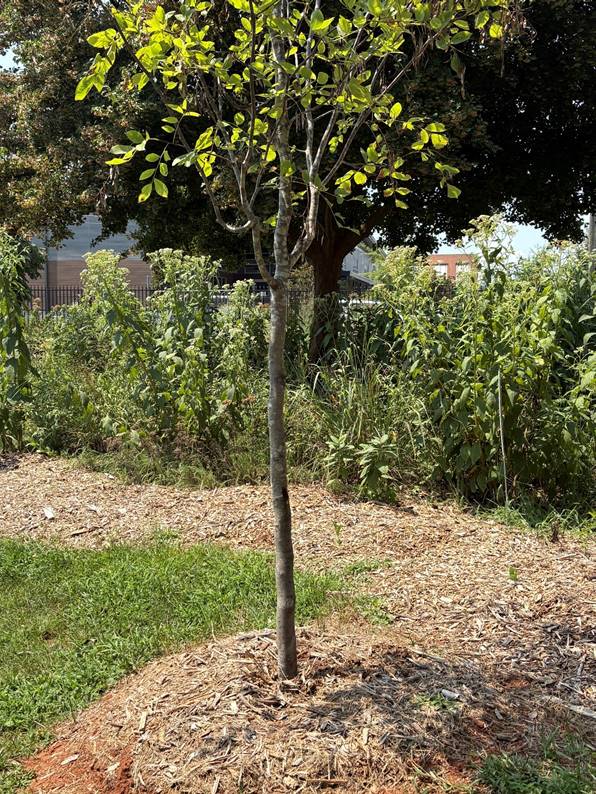
If you have a newly planted tree and have not mulched yet, now is a great time! Once the temperature has cooled, mulch can act as a thermal blanket, keeping the soil and other beneficial organisms below it warm. Mulch can also help retain moisture during dry periods with little rain. When mulching, be sure to keep mulch away from the base of the tree; otherwise, you may accidentally cause decay.
Scout For Storm Damage
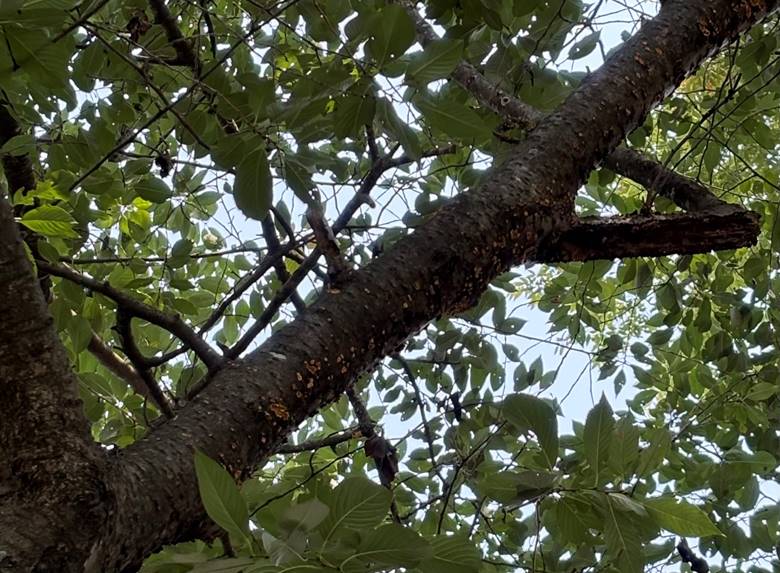
The yellow fungi is sap r0ot, which is an indicator of rot in a tree.
Before breezy fall winds and late summer storms, walk your property and check for potential damage to your tree. Look for dead, broken, hanging branches or holes. Mushrooms and other fungi on your tree can also be an indicator of decay. Catching these hazards early can protect your home and keep your trees healthy. If you spot a hazardous tree on city-maintained property or street rights-of-way, you can always call 311 or fill out this online form.With fall on the way, caring for our trees now prepares them for dormancy in the winter and sets the stage for a vibrant, healthy canopy in the spring. Charlotte’s work hard for us year-round, providing shade, cleaning our air, and soaking up stormwater runoff. A little attention to our trees during this season goes a long way. Whether you’re watering a young sapling, refreshing mulch, or keeping an eye out for storm damage, each small action helps strengthen our urban forest.
By staying engaged and informed, we can ensure that the Queen City’s canopy continues to thrive for generations. Together, let’s keep Charlotte green, resilient, and ready for the fall season ahead.


Leave a Reply