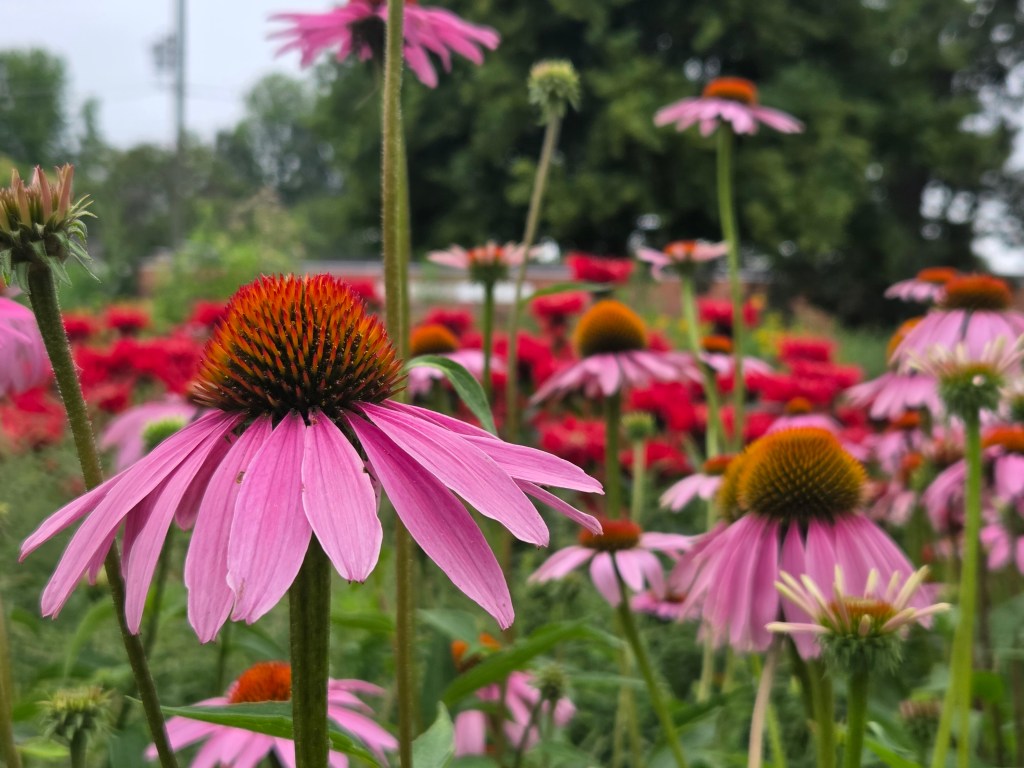
Every June, Charlotte celebrates its tiniest supporters, pollinators! From buzzy bees to our feathered friends, pollinators are the underdogs of ecosystems. They support our gardens, grow our food, and keep the world growing. This month, take some time to watch our amazing pollinators, and if you’re able, maybe start your own garden!
Why Pollinators Matter
Did you know? The USDA found that pollinators are responsible for 1 in 3 bites of food we eat! They pollinate over 75% percent of all flowering plants in the world, which means we get our food, clothes, homes, and medicine all from the support of pollinators!
Because they help plants reproduce, pollinators also help support clean air, fertile soil, and clean water! Pollinators make the world go round!
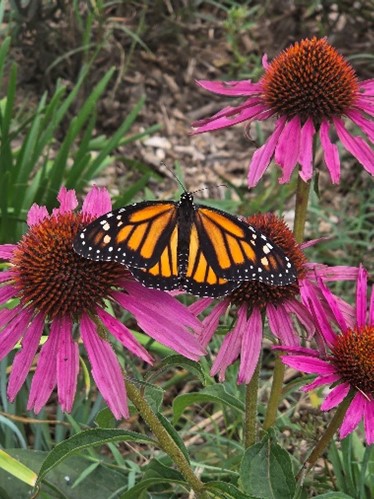
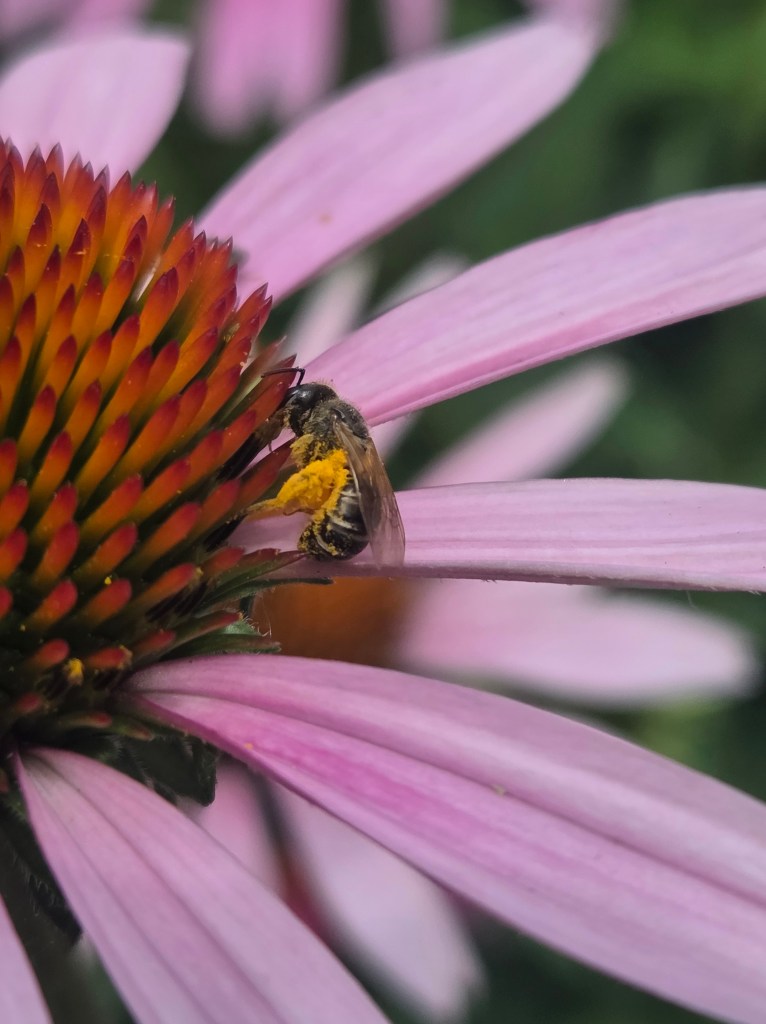
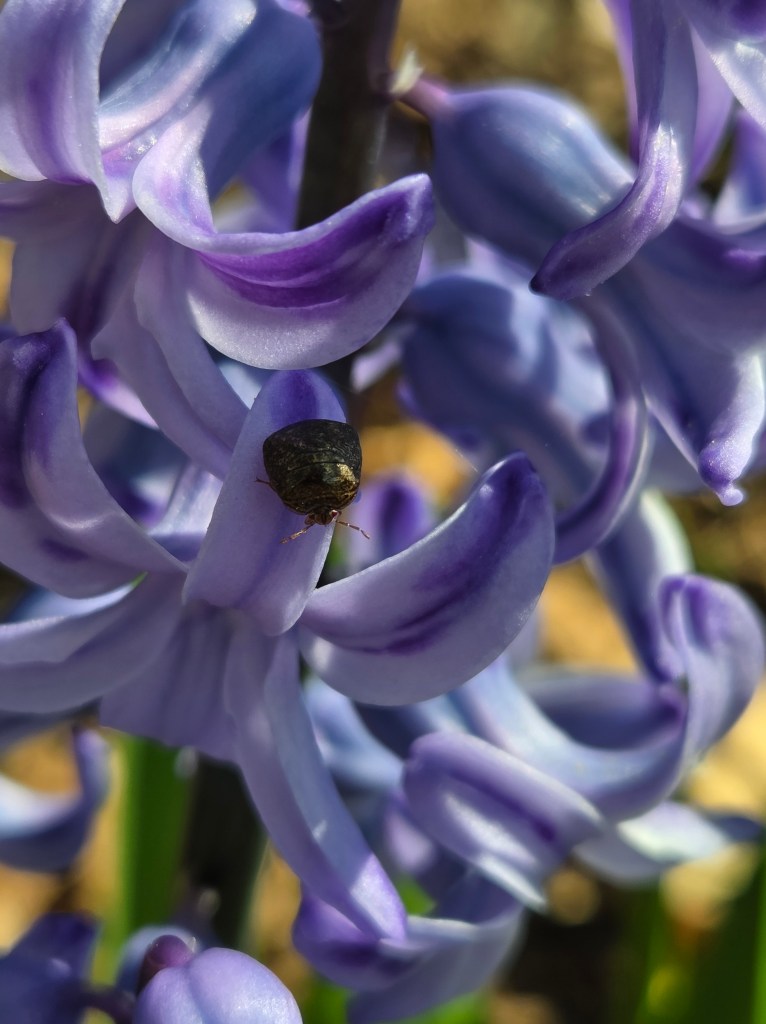
How to Start a Pollinator Garden
Starting a pollinator garden sounds like a daunting task; believe us, we understand. Here is a simple guide to make planning a little bit easier!
Choosing a Location: The first step is choosing a location. This will determine how you prepare your area and which types of plants will go into your pollinator garden. It’s recommended that your chosen spot receives ample sunlight (at least 6 hours a day) with some partial shade. However, with the right plants, you can still create a successful pollinator garden even in shadier areas. Your chosen spot can be as big or as small as you want; you can even choose your balcony/patio!
Site Prep: The goal of preparing your site is to remove or thin out any existing vegetation so you can start fresh. This can be done in several ways depending on your needs, including hand‑weeding, smothering, or solarizing. If you’re creating a garden from your balcony, make sure your planters will receive enough sun throughout the day! For more information on each method, visit the Xerces Society website to learn more about the different ways to prepare your site!
Plant Selection: Native plants will use less water and are more adapted to your local climate. The “rule of threes” (3x3x3 rule) is a simple way to create efficient pollinator habitat. Choose three native plant species that bloom in spring, summer, and fall. Plant at least three of each species together in small clusters, and group these clusters within a concentrated 3-by-3-foot area. Check out the Native Plant List from the North Carolina Native Plant Society and choose combinations that will thrive in your garden.
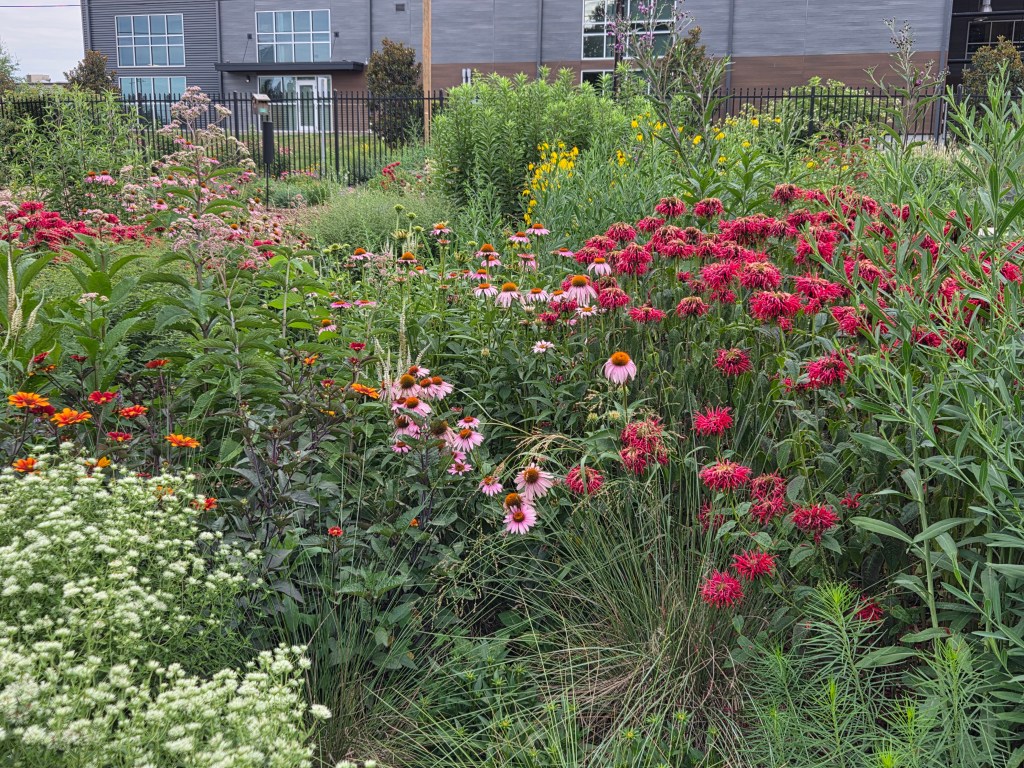
Landscaping: Designing your pollinator garden can feel overwhelming, but the good news is that pollinators don’t care what it looks like—they’ll visit no matter what. Still, there are a few things to consider to help your garden thrive.
- Sun vs. shade: Some plants love full sun while others prefer shade, so place each plant where it will be happiest.
- Put taller plants behind shorter ones so they don’t block the light.
- Add native grasses! Even without showy flowers, they provide shelter, structure, and make great filler plants to help your garden look fuller.
Last Few Things to Consider:
• Minimize chemical use: Herbicides, pesticides, and insecticides can harm pollinators and your garden. Try natural pest control methods instead—for example, ladybugs eat many common garden pests!
• Provide a water source: Pollinators need to hydrate too! A birdbath or a shallow dish with a small rock works well, giving them a safe place to land.
• Leave the leaves and save the stems: Many native pollinators use leaf litter and hollow plant stems as nesting sites. Keep them through the winter and remove them in late spring.
Once you’ve created your pollinator garden, be sure to register with the city! The nuisance vegetation ordinance has been updated to exclude pollinator habitats and naturalistic landscapes. Keeping your pollinator garden well managed and registered may qualify your habitat for an exemption from the ordinance—and the pollinators will love it too!


Leave a Reply