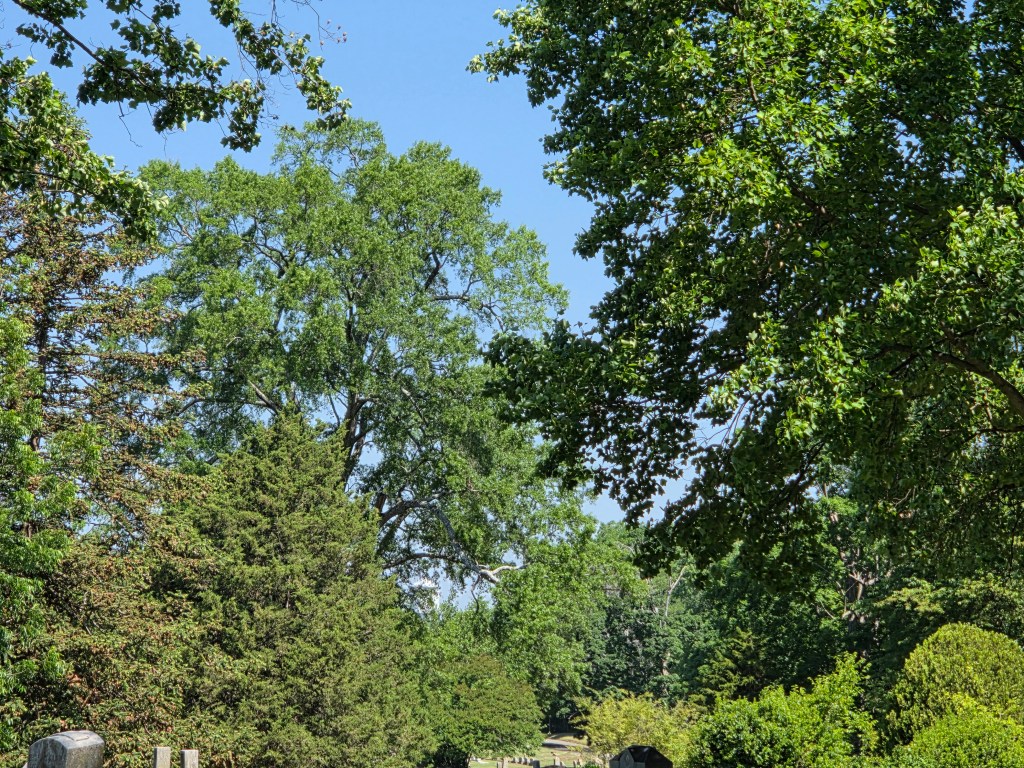
Tree diversity is a sign of a healthy ecosystem, and in an urban world, it’s critical to the health of both the trees and the people who rely on them. Here in Charlotte, we take pride in our tree canopy, and to keep it healthy, a big push here at Landscape is to diversify the canopy.
Why Biodiversity Matters
We often say that biodiversity keeps the urban tree canopy healthy—but what does that actually mean? A diverse canopy can:
• Reduce the risk of losing entire tree populations to diseases or pests
• Increase the amount of carbon dioxide and air pollutants that trees absorb
• Strengthen resilience to extreme heat and reduce water stress
• Support greater wildlife biodiversity
A diverse, healthy canopy also benefits our everyday lives. It can help lower air pollution, reduce urban heat, decrease energy costs, limit stormwater runoff and flooding, and even support better physical and mental health.
Trees to Consider
Charlotte is known for its iconic Willow Oaks, and for many years, Red Maples and Crepe Myrtles were also common choices for planting. While these trees are wonderful in their own right, it’s increasingly important, for both public and private spaces, to intentionally choose other species as well. Expanding the variety of trees we plant helps diversify and protect our urban canopy for the long term.
Here are a few recommended tree families and species to help get you started:
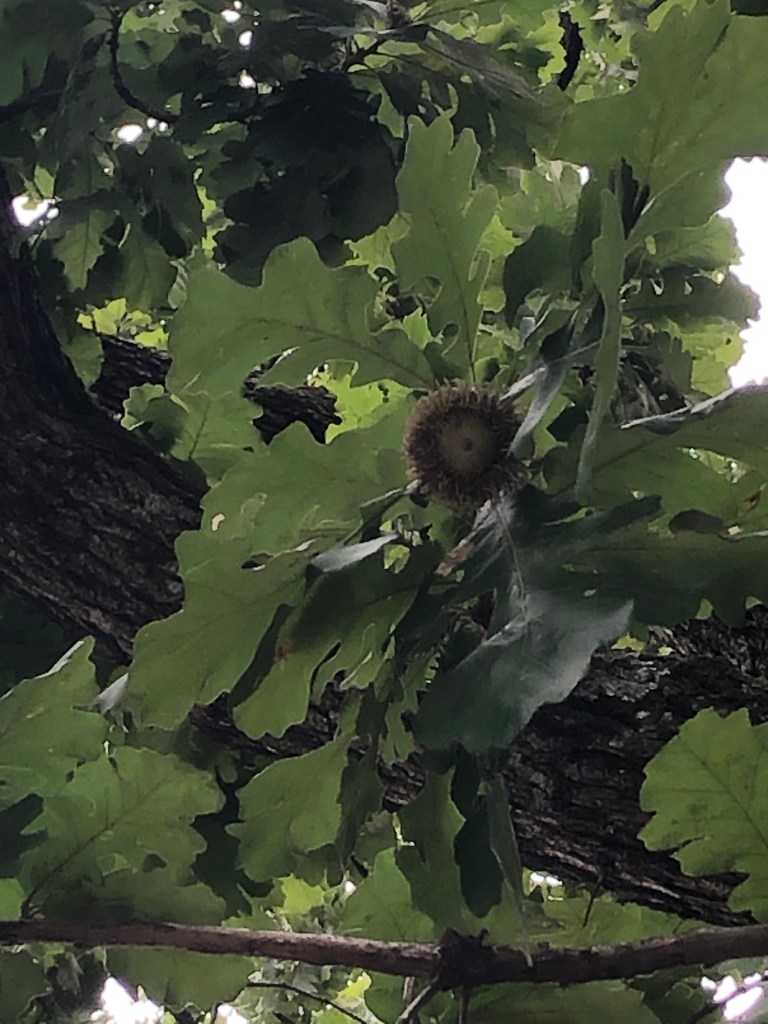
Oaks Willow Oaks may be Charlotte’s signature tree, but there are many other oak species that are just as large, majestic, and beneficial. Different oak species can attract unique butterflies and moths, many of which rely on specific oaks to survive. Oaks also grow large canopies that help reduce urban heat, improve air quality, and support wildlife. Photo Credit: City of Charlotte
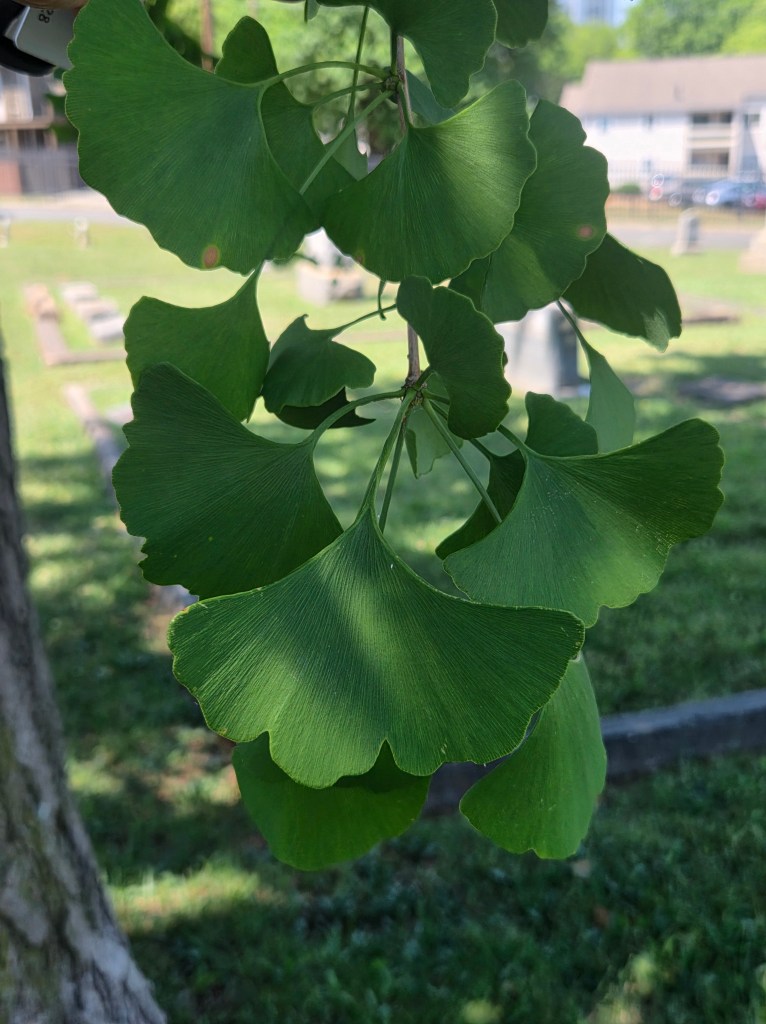
Ginkgo The ginkgo is a hidden treasure in Charlotte’s tree canopy. Ginkgos are a naturalized species and pose no significant threat to our local ecosystem, and even provide roosting spots for birds with their strong, sturdy branches. With its unique fan-shaped leaves and vibrant yellow fall color, the ginkgo adds ornamental beauty all year round that appeals to everyone. Photo Credit: City of Charlotte
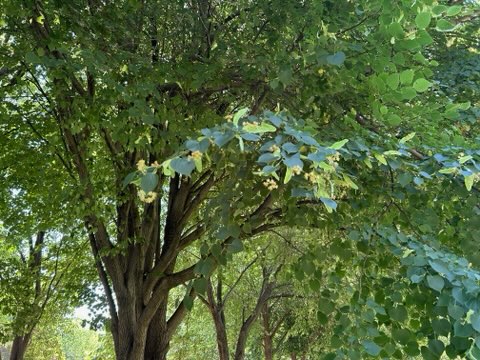
American Linden/Basswood The American linden is a medium-sized tree that provides ample shade and is resilient to most urban challenges. As a native species, it also supports local wildlife and is especially beneficial to small animals. It’s beautiful heart-shaped leaves turn a golden yellow in the fall, adding seasonal ornamental value. Photo Credit: City of Charlotte
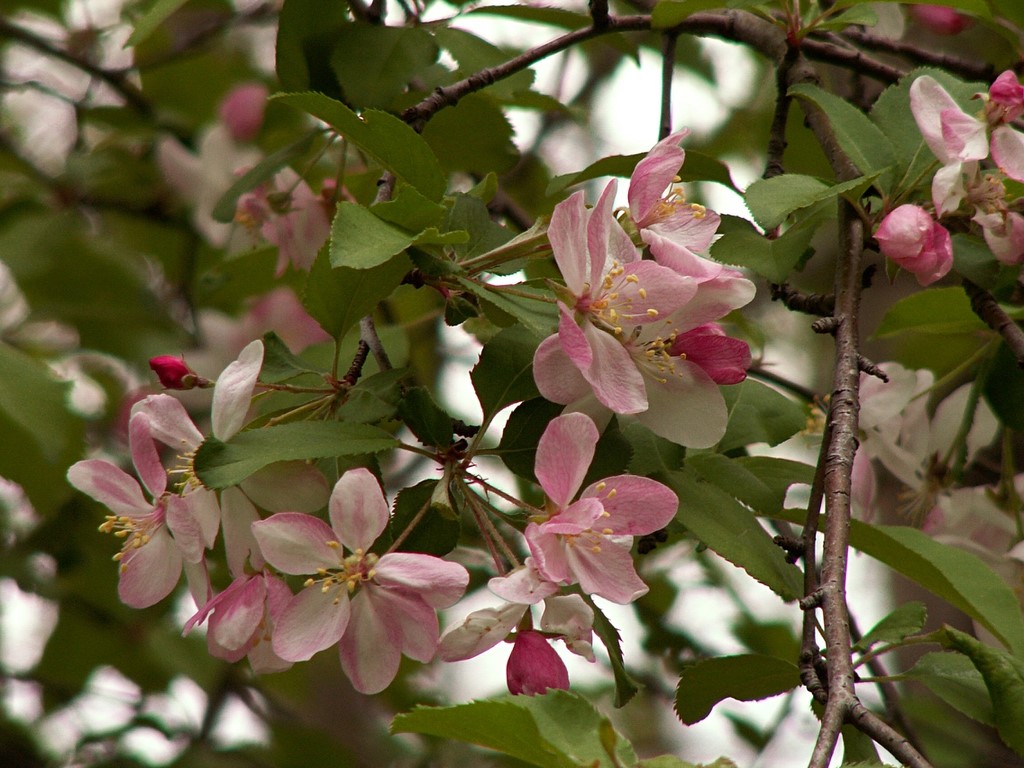
Crabapple Crabapples are tiny powerhouses in urban landscapes. They can survive harsh conditions while still offering valuable benefits like improved air quality and a bit of shade. They also serve as an important food source for pollinators and other wildlife. In spring, crabapples burst with showy flowers, giving them strong seasonal ornamental appeal, all while remaining low‑maintenance throughout the year. Photo Credit: NC State Extension
There are so many other wonderful trees that you could choose, so we at Landscape Management encourage you to explore and find a species that fits your space and supports greater canopy biodiversity. A great place to start is the native planting list from the North Carolina Native Plant Society, which highlights species that are well‑adapted to our region and beneficial to local wildlife. Every tree we choose makes a difference. Together, we can diversify our canopy and ensure it thrives for generations to come.
Interested in helping improve Charlotte’s tree biodiversity? Fill out the new Street Tree Request Form here!


Leave a Reply