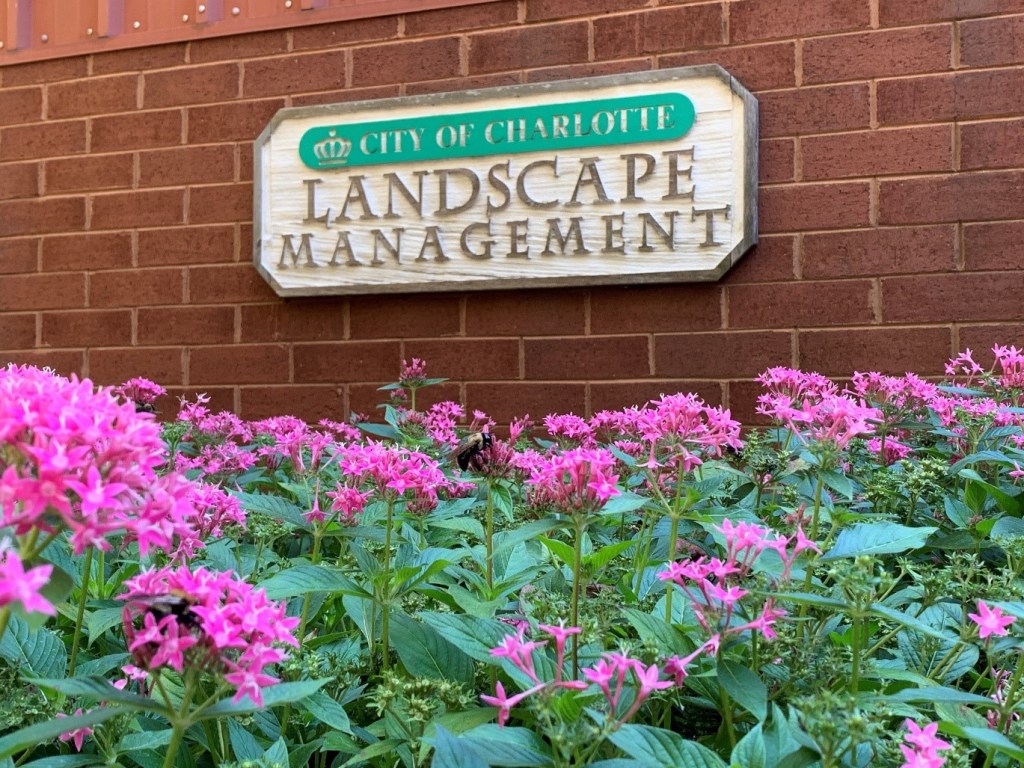
Spring is finally here! As winter fades, longer days and warmer weather are finally on the way. Charlotte’s canopy is waking up! Look closely and you’ll start to spot the first signs of spring—tiny buds forming on branches, fresh green leaves beginning to unfurl, and early blossoms bringing color back to the landscape.
The First Signs of Spring
Spring doesn’t arrive quietly here in Charlotte. The signs are everywhere: warm weather, buzzing bees, blooming trees, and a definitely normal amount of pollen. One day the streets look gray and sleepy; the next, trees along sidewalks and in parks are covered in cheerful blossoms. Early-blooming trees are often the first sign that winter is finally on its way out, putting on a colorful show long before most plants have even begun to wake up. As you wander through the city, you might find yourself looking up and wondering what those blooming trees are called. The good news? With a few simple clues, you can start recognizing some of the first stars of the spring tree show.
Early Blooming Trees
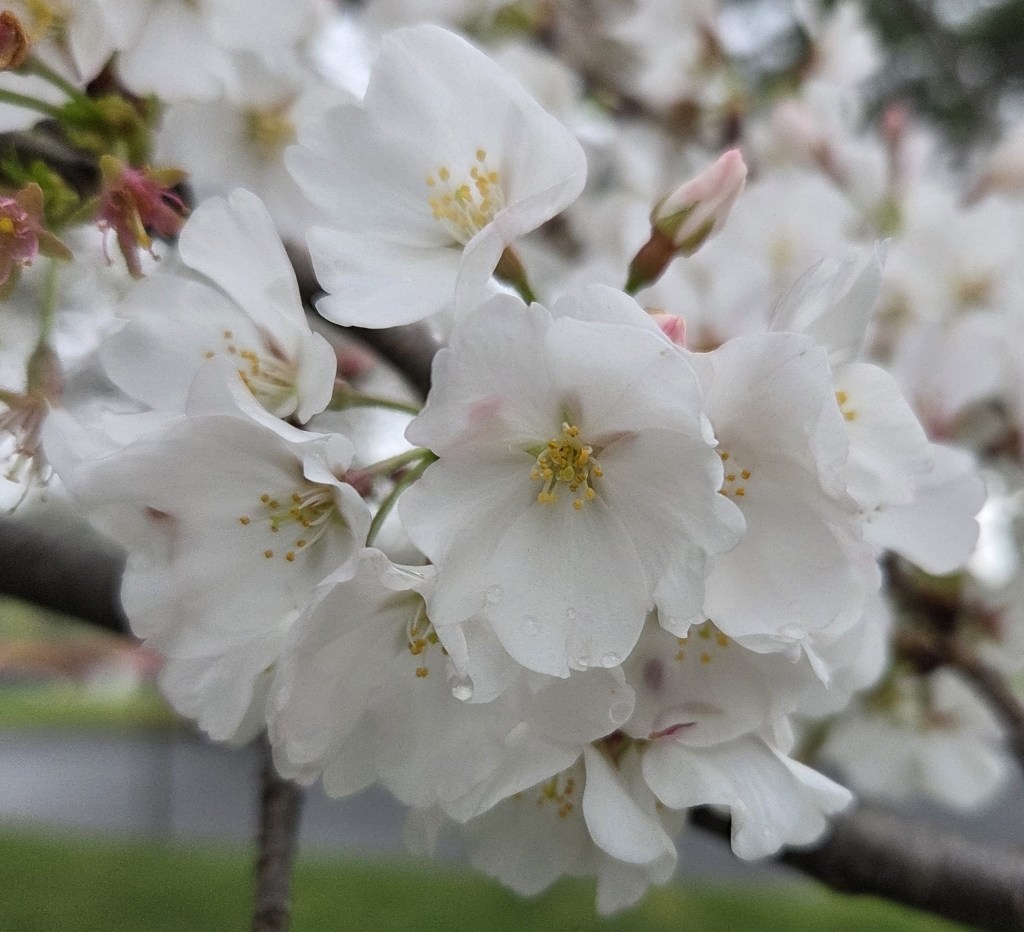
Yoshino Cherry: A small ornamental tree with white-to-light pink 5-petaled flowers that grow in clusters of 3-6. The tree will bloom with flowers first in late March to early April, before its leaves come out. Photo Credit: City of Charlotte
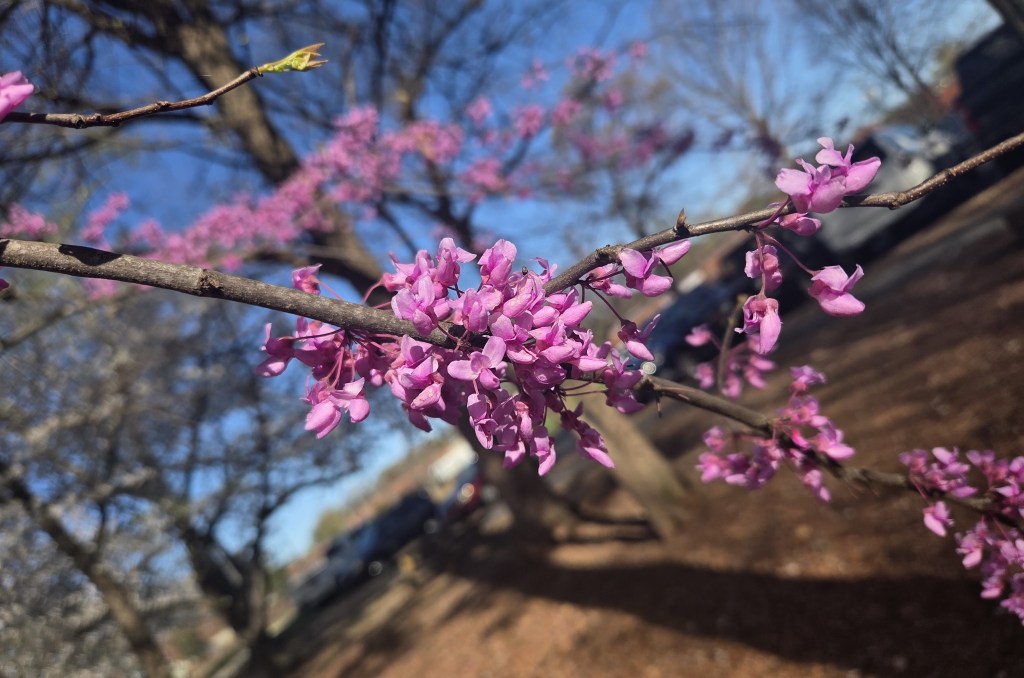
Eastern Redbud: A small native tree with rose-pink to light purple flowers. The Eastern Redbud has branches that grow in a more zig-zag pattern, and its flowers are pea-shaped. Photo Credit: City of Charlotte
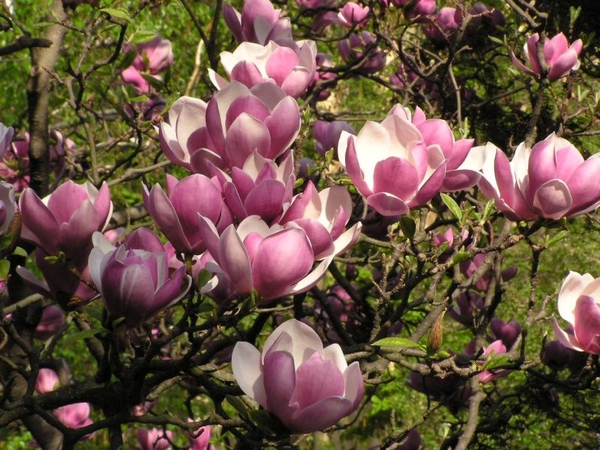
Saucer Magnolia: A medium-sized tree that is often multi-trunked or has branches growing low to the ground. Its flowers are large and saucer-shaped and have nine petals with a pink outside and a white inside. Photo Credit: NC State Extension
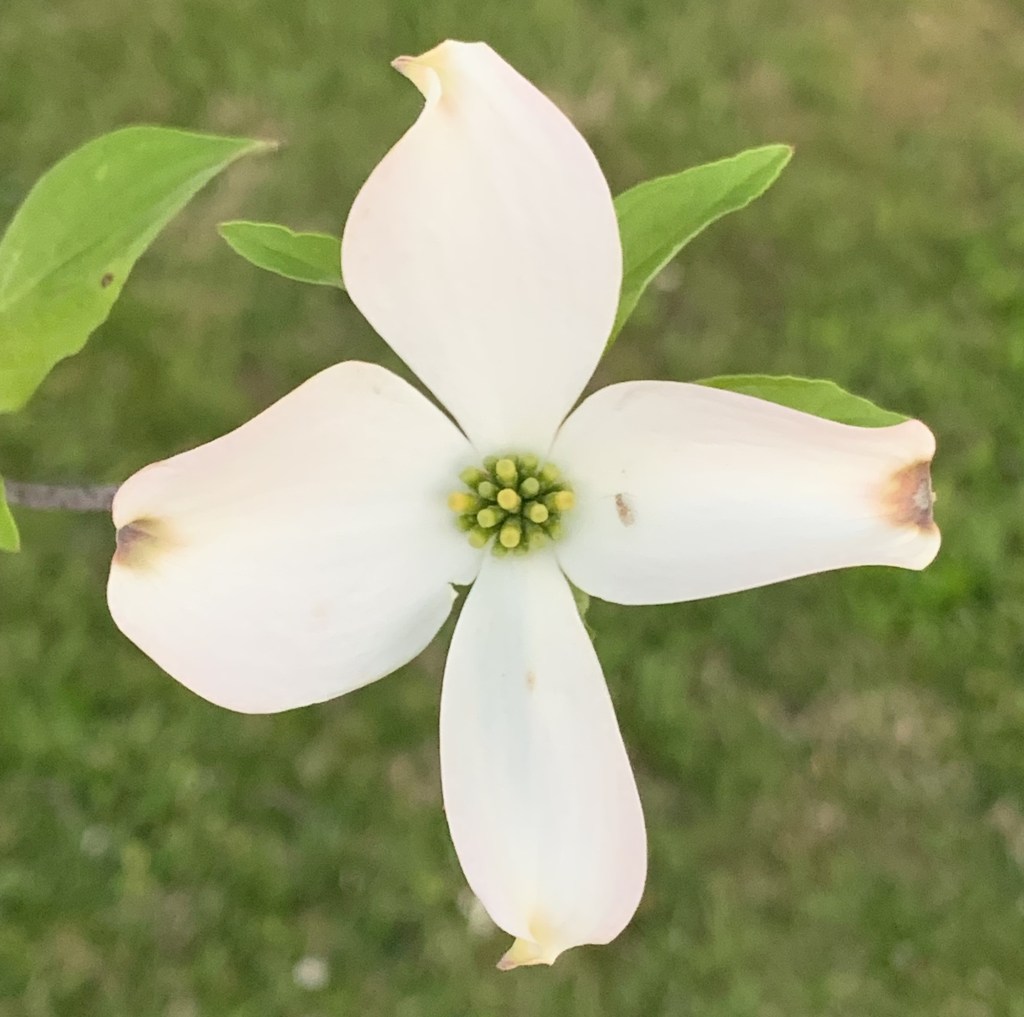
Flowering Dogwood: A medium-sized tree with tiny yellow flowers and four distinct white bracts that look like petals. Some cultivars can also have pink bracts. The Kousa Dogwood also have pink bracts; however, they bloom later in spring into early summer. Photo Credit: City of Charlotte
More Than Just A Pretty Flower
While early-blooming trees and flowers may seem like they’re just putting on a show for us humans, they actually play an important role in nature. As the weather warms, wildlife becomes more active, and so do their appetites. But because it’s still early in the season, many plants are still dormant. That means the trees and flowers that bloom first are vital food sources, helping pollinators and other wildlife get through the gap until more plants begin flowering later in the spring.
Cities can be especially challenging places for pollinators because there are fewer natural food sources available. Those early-blooming trees scattered along streets and in parks can act as important refuges, offering nectar and pollen when little else is available.
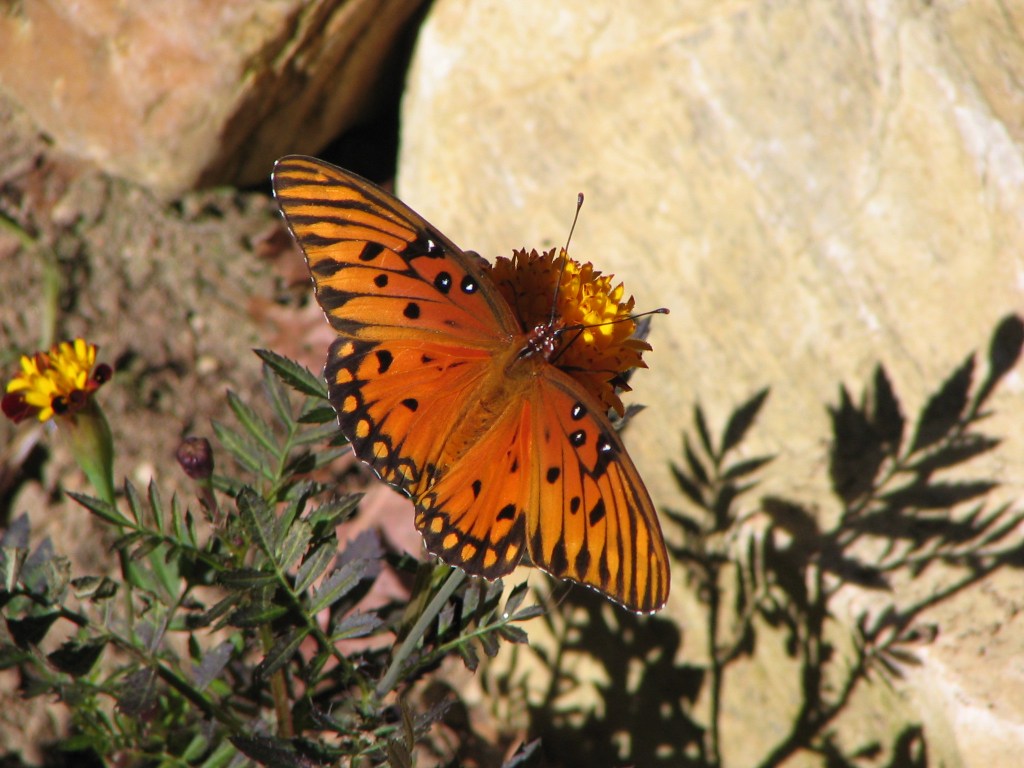
The good news is that there are many ways we can help support these hardworking pollinators. Pollinator gardens can provide food and shelter throughout the seasons, depending on what you plant. Learn more about what to plant and how to make your yard a city-designated pollinator garden below! Planting more trees—especially ones that bloom early in spring—is another great place place to start. The City is taking Street Tree Requests, so be sure to request a tree that blooms early!
Together, these small steps really do make a big difference. Adding a tree, planting a few native flowers, or even setting up a tiny pollinator patch helps create little pockets of habitat all over the city. And the best part? It doesn’t take much to turn your yard, balcony, or neighborhood space into a spot where bees, butterflies, and other pollinators can thrive! With Earth Day around the corner, it’s also a perfect time to join community events and celebrate the impact we can make together.
Want to join us for an event during Earth Month? Visit charlottenc.gov/trees to learn more and sign up for event reminders from us!
Learn more about how to support pollinators and how to register a habitat with the city at charlottenc.gov/pollinators
Want an early-blooming tree? Request a Street Tree – City of Charlotte
 Canopy Conversations
Leave a comment